CrossFit South Rockland

Thursday, May 17, 2018

Do You Have a Heart condition? Here are the Signs To Watch Out For


When it comes to matters of the heart, things can get complicated. No, we don’t mean romantic or relationship issues – though those can be complicated, too. We mean heart health and heart conditions.

It’s obvious you need a healthy heart to live a full, happy life, but do you know exactly what your heart does? Your heart is a muscle that provides your body with oxygen and nutrients and carries away waste.

The right side of your heart receives blood from your body and pumps it to your lungs, while the left side receives blood from the lungs and pumps it into your body.

If your heart fails, for any reason, it can be catastrophic, even resulting in death. Taking care of your heart is vital.

Sometimes, however, either from lack of awareness, hereditary issues, or not taking proper care of yourself, dangerous heart conditions can arise. There are numerous signs, symptoms, and risk factors that you should be aware of to ensure your heart is healthy.

So, ask yourself: are you aware of the signs of heart conditions?

Do you know what to look for when considering your heart’s health?

Are you able to reverse heart conditions once you’ve contracted them?

We’ve got the answer to all those questions and more below. We’ll teach you the signs and symptoms you should look out for, explain ways that your doctors can test and diagnose your issues, and what you can do to prevent heart conditions.


Early Signs of Heart Conditions



When it comes to heart conditions, there are variety of different signs and symptoms your should be on the lookout for. Additionally, there are numerous risk factors that go into heart conditions, as well as a number of distinct types of heart problems you could be dealing with.

We’ll break down a few important early signs you should watch for, but first, let’s get a few terms out of the way to help you have a better understanding of what to watch for.

Congestive Heart Failure: a condition when your heart muscle doesn’t pump blood as it should, which can be caused by narrowed arteries, coronary artery disease, high blood pressure, and more
Artery Blockage: the buildup of plaque (fatty deposits) overtime that results in a hardening of the inner walls of your arteries and can lead to blockages in arteries.
Heart Attack: a sudden, and sometimes fatal occurrence of coronary distress that typically results in the death of part of the heart muscle. This occurs when the blood flow that brings oxygen to the heart muscle is severely reduced or cut off completely.
Signs and Symptoms

According to the Mayo Clinic, some of the most common symptoms of heart failure, heart malfunction, and blocked arteries can include mild, seemingly harmless signs like:
Fatigue
Weakness
Shortness of breath
Lack of appetite, nausea
A hard time concentrating
A decrease in alertness


These symptoms, when experienced separately, are hardly something to rush to the E.R. about. However, a combination of these symptoms might mean that something is up with your heart.

Some of these conditions can occur because of blood backing up in the pulmonary veins, causing fluid to leak into the lungs. This, in turn, can diminish the capacity of your heart to pump blood throughout your body.

There are bigger, more alarming signs that are associated with heart failure and heart conditions, though. You might be suffering from heart failure or a heart condition if you experience things like:
Sudden swelling in your legs, ankles, and feet
Rapid and irregular heartbeat
Abdomen swelling
Shortness of breath
Persistent coughing, wheezing, or bloody phlegm
Chest and arm pains

Heart failure, and most heart conditions, in general, require immediate medical attention. If you or someone you know is experiencing a combination of these symptoms, seek medical help right away.


Risk Factors In Heart Conditions
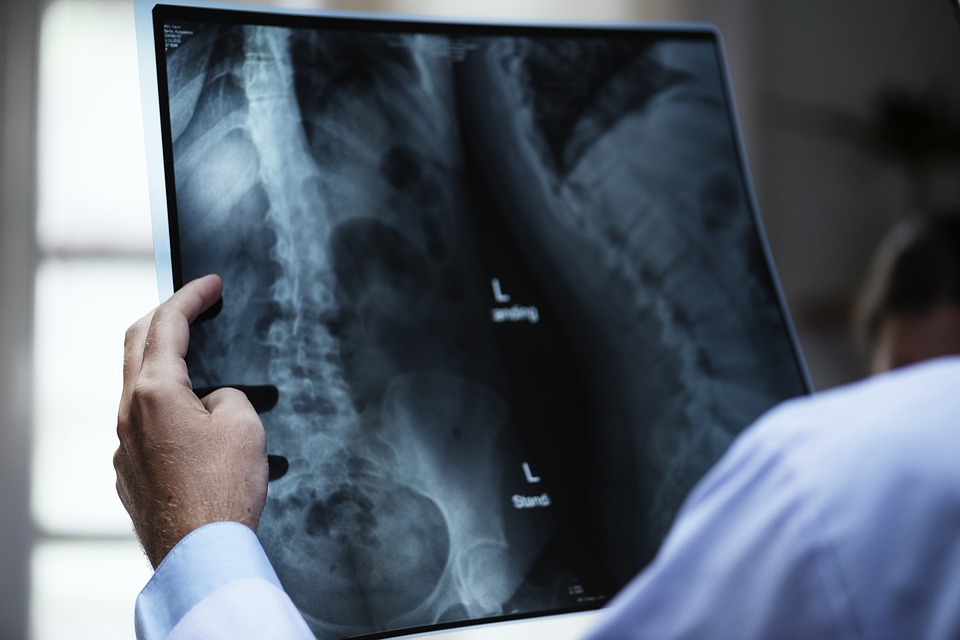


Sometimes heart conditions are hereditary, but you can develop them as a result of certain behaviors or habits. If individuals in your family have heart conditions or diseases, you may be more likely to develop them as well. It’s important to check with your doctor, get your heart tested, and determine your heart health.

There are particular risk factors that put people at a higher likelihood of developing heart conditions or undergoing congestive heart failure. The Mayo Clinic notes that high blood pressure can play a major role in heart failure since your heart has to work much harder if your blood pressure is high.

Additionally, you’re more likely to develop heart conditions if you’re diabetic, overweight, or obese. The larger and heavier a person is, the more strain is being put on their heart. It raises blood cholesterol, increases their blood pressure, and increases the risk of developing type 2 diabetes — all factors that can lead to heart failure.

Other behaviors like smoking, drug, and alcohol abuse can put you at a higher risk for heart failure as well.

Taking certain medications can also put you at increased risk of heart problems, too. Some anesthesia medications, as well as urological and neurological medications, can increase your chances of heart problems
Diagnosis of Heart Conditions

In order to diagnose you with certain heart conditions, your doctor will have to run various tests, check your symptoms, and probably get a full-family medical history.

Some of the most common tests for heart conditions are electrocardiogram tests, Holter monitoring, echocardiogram tests, stress tests, and cardiac catheterizations.

Tests like ECGs and Echocardiograms are non-invasive tests that will either:
Record the electrical signs your heart is giving off (ECG) to check for irregularities in its rhythm and structure
Take an ultrasound of your chest (echocardiogram) to show detailed images of your heart’s structure and function.


Another non-invasive test is the Holter monitoring test. With this test, you wear a portable device to monitor your heart’s rhythm for irregularities that aren’t found during an ECG exam. This test usually lasts somewhere between 24-72 hours.

A stress test is also a non-invasive test in which you wear a heart monitor while you do something that increases your heart rate, like exercise or taking a specific medication.

Other tests, like cardiac catheterization, require a bit more of an invasive approach. A catheter is a short tube that is inserted into a vein or an artery in your groin or your arm, and a then hollow, flexible tube is inserted in after it.

This will provide your doctor with x-ray images that can help guide the tube through your artery until it reaches your heart. Once it reaches the heart, he can measure the pressure in your heart chambers and inject a dye that can help him measure your blood flow and identify any blocks or potential problems with your heart.


Heart Condition Treatment and Prevention
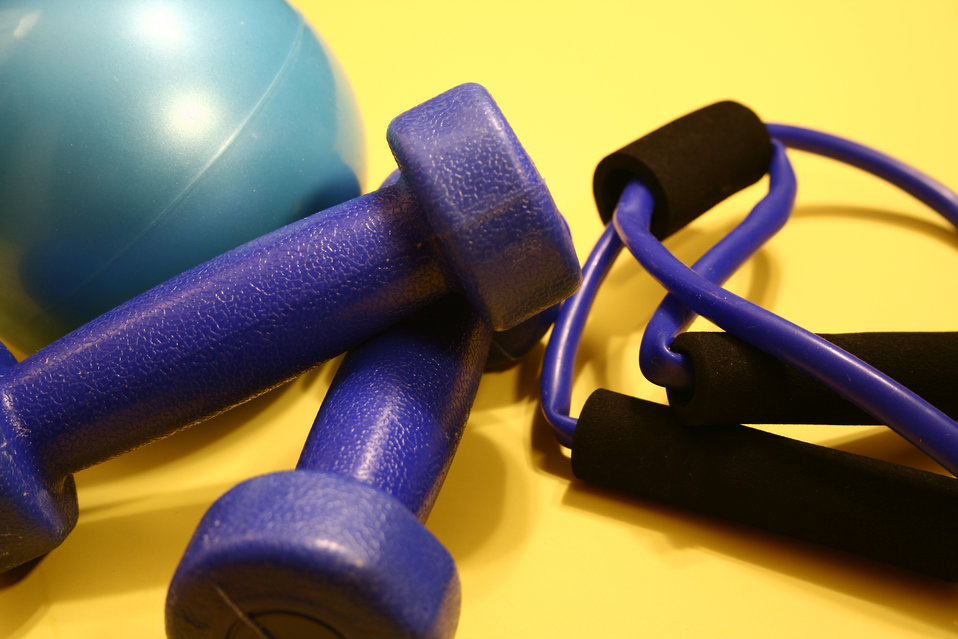


When it comes down to treatment and prevention, you’re probably going to have to be lifestyle changes. Though it will vary depending on your condition, your doctors will probably recommend altering your diet (low-fat or low-sodium), exercising moderately for 30 minutes daily, limiting alcohol, and quitting smoking.

It’s also likely that your doctor will place you on medications to help control your heart condition. The type of medicine will depend largely on the heart condition you have. The goal of your lifestyle changes is to reduce the risk factors and to help slow or reverse the buildup of plaque in your arteries, prevent further complications, widen your arteries, and relieve your symptoms.

If the problems are severe, you may have to undergo a medical procedure or surgery to correct the problem. The type of procedure will be specific to the type of heart disease, the heart condition, or the damage your heart has experienced.
Heart Health and You

There are many factors and causes that could be at fault when it comes to heart health. It’s important to stay away from risk-factors that could increase your chance of contracting heart conditions (like smoking, drinking, and being overweight). It also essential to regularly check in with your doctor for regular heart check-ups, as well as be in-the-know about symptoms and signs that you might be experiencing heart failure, artery blockages, or other heart conditions.

5/17 Thursday Day#25


Gymnastic #5 Warm up 
400m run
Banded external rotation 10 reps
3x hand stand to forward roll
3x L-sits max effort
10x single leg squats off box with 3 second pause at bottom
P-bar complex- 3 swings/ forward walk/ 3 swings/  reverse walk/ 3 swings/ forward walk
5x seated L-pull ups with rings
3x pull over to support

Skill
Muscle ups

WOD
5 rounds of:
200m run
35 double unders
7 muscle ups
*18 minute time cap


Wednesday, May 16, 2018

5/16 Wednesday Day#24


Warm up 
Barbell complex #3
Back squat/ Good morning/ Press from behind the neck/ Front squat/ Press from the front/ Thruster

Skill
Deadlifts

WOD
5x
30:30
-Row for calories
-Box jumps w/20” m/24”
-Deadlifts w/105# m/155#


Tuesday, May 15, 2018

5/15 Tuesday Day#23


Warm up 
DB complex #1
Deadlift/ Hang power clean/ Front squat/ Press/ Thruster

Skill
DB full cleans

WOD
DB Elizabeth
21-15-9
DB full cleans w/35 m/55
Ring Dips
*10 minute time cap

GoFit
Warm up
DB complex #1
Deadlift/ Hang power clean/ Front squat/ Press/ Thruster

Skill
DB cleans

WOD
5x
30:30
-DB power cleans
-Push ups
-DB squats
-Pull ups


Monday, May 14, 2018

7 Smart Ways To Boost Your Testosterone


The power of testosterone is almost mythical, and no wonder; it can boost muscle, burn body fat, and support your mood, sleep, libido, energy, overall health, and quality of life.
Unfortunately, most men experience a slow decline in testosterone after they hit the age of about 30, putting them at greater risk for heart disease, type 2 diabetes, obesity, low mineral density, impaired sexual function, reduced muscle mass, and diminished physical performance.
How to Naturally Boost Your Testosterone:
  • Eat more fat
  • Consume more zinc and vitamin D
  • Stick with multijoint movements in the gym
  • Shorten your rest periods
  • Get more sleep
Don't think women aren't affected by reduced levels of this anabolic hormone as well. Similar to men, levels of testosterone in women—albeit only one-tenth that of their male counterparts—peak in their 20s and decline thereafter.
This drop in testosterone can negatively alter the balance between testosterone and estrogen, resulting in an increase in body fat, slowed metabolism, reduced strength and bone mineral density, and difficulty putting on muscle.
Thankfully, there are many ways you can naturally increase your testosterone levels, with the most dramatic changes occurring though resistance training, nutrition, rest, and supplementation—some of which you might already be doing.

1. Eat Fat, Boost Testosterone

Often thought as a "physique destroyer," dietary fat is actually one of the most critical players when it comes to optimizing natural testosterone production. It's now recognized as a sure way to increase testosterone levels.
In fact, a study published in the Journal of Applied Physiology found that diets with higher amounts of monounsaturated and saturated fats have been shown to increase testosterone levels.1
In another study, men who switched from a high-fat diet (13 percent saturated fat) to a low-fat diet (5 percent saturated fat) experienced significantly lower testosterone production rates and lower circulating androgen levels.2
"Keep in mind that when it comes to dietary fat, it's not just the amount of fat you eat, but also the type of fat," says Don Gauvreau, MSc, co-founder of PharmaFreak.
Examples of quality monounsaturated fats:
  • Olive oil, almonds, avocados, peanut butter
Examples of quality saturated fats:
  • Red meat, coconut oil, egg yolks, dark chocolate, cheese

2. Don't Avoid Cholesterol

Testosterone is derived from cholesterol, so it should come as no surprise that if your diet is lacking in cholesterol, you're also more than likely shortchanging yourself when it comes to the muscle-building hormone. Previous research has demonstrated a strong relationship between HDL cholesterol levels and free testosterone levels.3
Keep in mind that the majority of testosterone in your body is bound to proteins, but only the unattached, or free, testosterone is considered bioavailable and readily available for tissue uptake.
Furthermore, incorporating whole eggs into a moderately carbohydrate-restricted diet was shown to improve the lipoprotein profile (increased HDL cholesterol).4
Top cholesterol-containing foods are typically the ones that are high in saturated fats. Some of your best choices are red meat, egg yolks, and seafood such as shrimp, squid, and lobster. Whole eggs are a staple in my diet—I eat three every morning!

3. Consume Test-Boosting Ingredients

Testofen (Fenugreek Extract)
Testofen, a standardized extract of fenugreek, is thought to support free testosterone levels, muscle mass, and sexual drive in men.
While the research is still somewhat new in this area, a study out of Australia found that six weeks of supplementing with a formula containing Testofen as a major ingredient showed statistically significant increases in performance, sexual health, and satisfaction in healthy adult males.5
Zinc
Zinc is an essential mineral that plays a critical role in testosterone production. Mild zinc deficiency, commonplace among both men and women in the United States, has been associated with suppressed testosterone concentrations.
A notable study out of Wayne State University in Indiana found that older men who had a mild zinc deficiency significantly increased their testosterone from 8.3 to 16.0 nmol/L—a 93 percent increase—following six months of zinc supplementation. Researchers of the study concluded that zinc may play an important role in modulating serum testosterone levels in normal healthy men.6
D-Aspartic Acid (DAA)
D-aspartic acid (DAA) is an amino acid present in neuroendocrine tissues and is believed to impact hormone levels by increasing the activity of testosterone production.
In one human study, 23 men were given a daily dose of 3,120 mg of DAA for 12 days, whereas another group was given a placebo. After just 12 days, the subjects supplementing with DAA experienced an increase in testosterone by an average of 42 percent and luteinizing hormone (LH) by an average of 33 percent.
The results of this study show that DAA may help support the release and synthesis of LH and testosterone in humans.7 More recent studies have showed contradicting results for D-Aspartic Acid, however. Try it out for yourself and gauge if this ingredient is right for you.
Vitamin D
Vitamin D is arguably the most important vitamin when it comes to testosterone. A study published in the Journal of Clinical Endocrinology examined the relationship between vitamin D supplementation and testosterone levels in men. The authors found that participants with higher levels of vitamin D had significantly higher levels of free testosterone compared to those with insufficient levels of vitamin D.8 Based on these study results, it appears vitamin D has a strong relationship with testosterone levels.
Diindolylmethane (DIM)
Diindolylmethane (DIM) is a component of indole-3-carbinol and formed during the digestion of vegetables such as broccoli and cauliflower.
Research suggests that DIM can help support a healthy balance of the sex hormones estrogen and testosterone in the body. It does this by converting potent forms of estrogen into less potent forms, reducing the overall effects of estrogen in the body.9The end result is a more balanced hormonal environment for healthy testosterone production!
This ingredient has been shown to be most effective when paired with other testosterone boosters with little data to support it being taken alone. Try searching for test-boosting products that include DIM among other ingredients.

4. Favor Multijoint Free-Weight Movements

Just as your diet has a major influence on testosterone levels, so does how you train. Research has proven time and time again that high-intensity weight training (choosing weights so that you reach muscle failure by 10 reps) can stimulate increases in testosterone secretion.
However, you must also choose the right exercises and the right tools of the trade if you want to take full advantage of this natural T boost. Essentially, the more muscle mass you stimulate, the more testosterone you'll secrete.
A recent study conducted on trained subjects showed that squats stimulated a greater testosterone response than leg presses.10 Stick with multijoint exercises like squats, bench presses, and deadlifts—the kinds of compound lifts that'll help jack up your testosterone levels. Since machines isolate a muscle you're working (less stabilizer activity), they're not as good a choice compared to free weights.

5. Longer Workouts Are Not Better

Another aspect of your training that can influence your testosterone levels is the duration of your workouts. If you're regularly engaging in lengthy, drawn-out workouts with long rest periods or excessive endurance exercise, then your testosterone levels may take a hit.
Workouts lasting longer than about an hour may begin to spike cortisol levels and subsequently decrease testosterone. Additionally, research has demonstrated that a shorter rest period between sets (1 minute versus 3 minutes) elicited higher acute hormonal responses following a bout of resistance training.11 To maximize your testosterone response, keep your rest periods short and total workout time to 60 minutes or fewer.

6. Get Your Zzzs

A lack of quality sleep can dramatically diminish the amount of testosterone your body produces, thereby reducing muscle growth and fat loss. Research has demonstrated that the amount of sleep you get is associated with morning testosterone levels.
Researchers at the University of Chicago recorded the sleeping patterns of healthy men and found that participants' testosterone levels increased the longer they slept.12 I recommend 7-9 hours of sleep per night to optimize the testosterone response.

7. Use Training Variables Associated With Greater T

When it comes to resistance training, both short-term and long-term research has shown that higher-volume training programs (think multiple sets at a moderate to high loads—70 to 85 percent of your one-rep max) tend to elicit the greatest hormonal response.1,13
Stick to protocols that stress large degrees of muscle mass and are moderate- to high-intensity. Additionally, more seasoned gym-goers may want to incorporate forced repetitions periodically into their programs, as testosterone increases have been observed with this type of training.14 Incorporating other post-failure training techniques such as dropsets or partials may similarly be associated with higher T production.
References
  1. Volek, J. S., Kraemer, W. J., Bush, J. A., Incledon, T., & Boetes, M. (1997). Testosterone and cortisol in relationship to dietary nutrients and resistance exercise. Journal of Applied Physiology, 82(1), 49-54.
  2. Wang, C., Catlin, D. H., Starcevic, B., Heber, D., Ambler, C., Berman, N., ... & Swerdloff, R. S. (2005). Low-fat high-fiber diet decreased serum and urine androgens in men. The Journal of Clinical Endocrinology & Metabolism, 90(6), 3550-3559.
  3. Heller, R. F., Wheeler, M. J., Micallef, J., Miller, N. E., & Lewis, B. (1983). Relationship of high density lipoprotein cholesterol with total and free testosterone and sex hormone binding globulin. Acta Endocrinologica, 104(2), 253-256.
  4. Blesso, C. N., Andersen, C. J., Barona, J., Volek, J. S., & Fernandez, M. L. (2013). Whole egg consumption improves lipoprotein profiles and insulin sensitivity to a greater extent than yolk-free egg substitute in individuals with metabolic syndrome.Metabolism, 62(3), 400-410.
  5. Steels, E., Rao, A., & Vitetta, L. (2011). Physiological Aspects of Male Libido Enhanced by Standardized Trigonella foenum-graecum Extract and Mineral Formulation. Phytotherapy Research, 25(9), 1294-1300.
  6. Prasad, A.S., et al. (1996). Zinc status and serum testosterone levels of healthy adults. Nutrition, 12, 344.
  7. Topo, E., Soricelli, A., D’Aniello, A., Ronsini, S., & D’Aniello, G. (2009). The role and molecular mechanism of D-aspartic acid in the release and synthesis of LH and testosterone in humans and rats. Reproductive Biology and Endocrinology, 7(120), 1482-1488.
  8. Wehr, E., Pilz, S., Boehm, B. O., Marz, W., & Obermayer?Pietsch, B. (2010). Association of vitamin D status with serum androgen levels in men. Clinical endocrinology, 73(2), 243-248.
  9. ZELIGS, M. A. (1998). Diet and estrogen status: the cruciferous connection. Journal of Medicinal Food, 1(2), 67-82.
  10. Shaner, A. A., Vingren, J. L., Hatfield, D. L., Budnar Jr, R. G., Duplanty, A. A., & Hill, D. W. (2014). The acute hormonal response to free weight and machine weight resistance exercise. The Journal of Strength & Conditioning Research, 28(4), 1032-1040.
  11. Kraemer, W. J., Marchitelli, L., Gordon, S. E., Harman, E., Dziados, J. E., Mello, R., ... & Fleck, S. J. (1990). Hormonal and growth factor responses to heavy resistance exercise protocols. Journal of Applied Physiology, 69(4), 1442-1450.

ABOUT THE AUTHOR

Alex Savva

Alex Savva

Alex Savva is a sought-after strength and conditioning expert, founder of CircuitFIT, co-founder of Pharmafreak and much more.

5/14 Monday Day#22


Warm up
Band drills
-back peddle
-side shuffle
-carioca
-sprint
-broad jump 10m

Skill
Movement standards

Partner WOD
(In a weight vest w/20# m/45#)
20 minute ping pong
100m run
50m prowler push w/50# m/90#
50m farmers walk w/53# m/70#
2x stair well
2x burpees 5 reps


Sunday, May 13, 2018

Happy Mother's Day!


Boosting testosterone isn't hard either. In fact we've boiled it down into 5 simple steps


#1 Consume natural testosterone boosting ingredients.
High amounts of Zinc, Magnesium and Vitamin D3 in your diet will boost key male hormones. It's just science. 

#2 Train with heavy weights when you hit the gym. 
This will trigger a hormonal response from your body that'll see you pack on size. 

#3 Get more sunshine. 
This will help peak vitamin D production and improve health and wellbeing.

#4 Sleep more. 
Recovery is essential and this will help boost up production of key sexual hormones in the night. 

#5 Eat clean. 
Cut the shit from your diet as it damages testosterone levels. No soda, junk or alcohol. 

5/13 Day#21 Motivation


Saturday, May 12, 2018

5/12 Day#20 Hero Saturday

Police Officer Arthur “Artie” Lopez, 29, of Babylon Village, New York, was killed in the line of duty on Oct. 23, 2012. Officer Lopez, a decorated eight-year veteran of the force, was serving on the Emergency Services Unit at the Nassau County Police Department at the time of his death. He kept himself in peak physical condition for the job as a member of CrossFit Merrick in Bellmore, New York. Fran and Cindy were among his favorite workouts.
He is survived by his sister, Charo; and parents, Alfonso and Mirella.


Gymnastic #4 Warm up
2 minutes jump rope
OHS
Good mornings
Strict TTB
Strict ring dips to true support
False grip pull ups

Skill
Thrusters

WOD
Artie
20 Minute AMRAP
5 pull ups
10 push ups
15 squats
5 pull ups
10 thrusters w/65# m/95#